
Best Time for Bali Trip Itinerary Planner
Plan My TripThe best time for a Bali trip itinerary depends on your priorities, but generally, the dry season from May to September offers sun-drenched days perfect for beach activities and outdoor exploration. Shoulder seasons (April, October) provide excellent weather with fewer crowds and better value. The wet season (November-March) brings lush landscapes and lower prices, ideal for cultural immersion and wellness.
- Dry Season (May-September): Ideal for beaches, surfing, diving, and volcano treks. Expect peak crowds and higher prices.
- Shoulder Season (April, October): Excellent balance of good weather, moderate crowds, and better accommodation rates.
- Wet Season (November-March): Best for exploring Bali’s verdant interior, cultural sites, and spa experiences, with the lowest prices.
You step off the plane into the velvet air of Ngurah Rai, the scent of frangipani and clove mingling with the humid warmth. A soft gamelan melody drifts from a nearby temple, a gentle prelude to the island’s rhythm. This is Bali, a canvas of emerald rice paddies, volcanic peaks, and sapphire seas, waiting to unfold around you. But when does this masterpiece truly reveal its finest hues? Crafting the perfect bali trip itinerary means aligning your desires with the island’s seasonal pulse—understanding its weather, marine conditions, the ebb and flow of visitors, and how these factors shape your experience and budget. From the sun-kissed shores of Seminyak to the spiritual heart of Ubud, every month offers a distinct enchantment. Let’s navigate the nuances, ensuring your journey to the Island of the Gods is nothing short of extraordinary.
The Dry Season: Sun-Drenched Days and Peak Experiences (May-September)
For many, the dry season represents the quintessential Bali experience. From May through September, the island basks under clear, blue skies, offering consistently pleasant conditions for every outdoor pursuit. Daytime temperatures consistently hover between 26°C and 30°C, accompanied by lower humidity, making exploration incredibly comfortable. This period is a magnet for those seeking sun, surf, and vibrant beach club scenes.
The dry season coincides with peak tourist arrivals, especially in July and August, when European and Australian school holidays converge. Expect the most popular areas like Seminyak, Canggu, and Ubud to be bustling. Luxury resorts and villas command their highest rates, often seeing price increases of 30-50% compared to the low season. Flights into Ngurah Rai International Airport (DPS) also peak, with round-trip fares from major hubs potentially surging by 40-60%. Despite the crowds and costs, the sheer reliability of the weather makes this a favored time for a bali trip itinerary focused on outdoor adventure and relaxation.
May & June: The Golden Window
May and June often stand out as the sweet spot within the dry season. The lingering humidity of the wet season has dissipated, leaving behind crisp air and abundant sunshine. The crowds haven’t yet reached their July and August zenith, offering a slightly more serene experience at popular sites like Tanah Lot and Uluwatu Temple. Average monthly rainfall plummets to under 60mm, ensuring your days are largely uninterrupted by showers. Surfing conditions on the west coast (Uluwatu, Padang Padang) are world-class, with consistent swells attracting enthusiasts. Diving and snorkeling around the Nusa Islands (Nusa Penida, Lembongan) are exceptional, with water visibility often exceeding 25 meters. This period provides an ideal balance of superb weather and manageable visitor numbers, making it highly recommended for a luxury escape.
July & August: Peak Season’s Embrace
July and August are the absolute peak of Bali’s dry season, characterized by perfect weather: minimal rainfall (often less than 30mm per month), low humidity, and consistent sunshine. However, this perfection comes with a trade-off. Bali experiences its highest visitor numbers during these months. Popular hotspots like the Gili Islands and Nusa Penida see significant increases in boat traffic and resort occupancy. Securing prime restaurant reservations or coveted pool-side loungers often requires advance planning. Luxury villas in areas like Canggu or Seminyak can fetch upwards of $1,000-$2,000 per night, and flights should be booked at least 6-8 months in advance to mitigate soaring costs. Despite the crowds, the energy is infectious, with vibrant nightlife and a full calendar of events and activities. If your bali trip itinerary prioritizes guaranteed sunshine and a lively atmosphere, this is your time.
The Shoulder Seasons: A Balance of Beauty and Value (April, October)
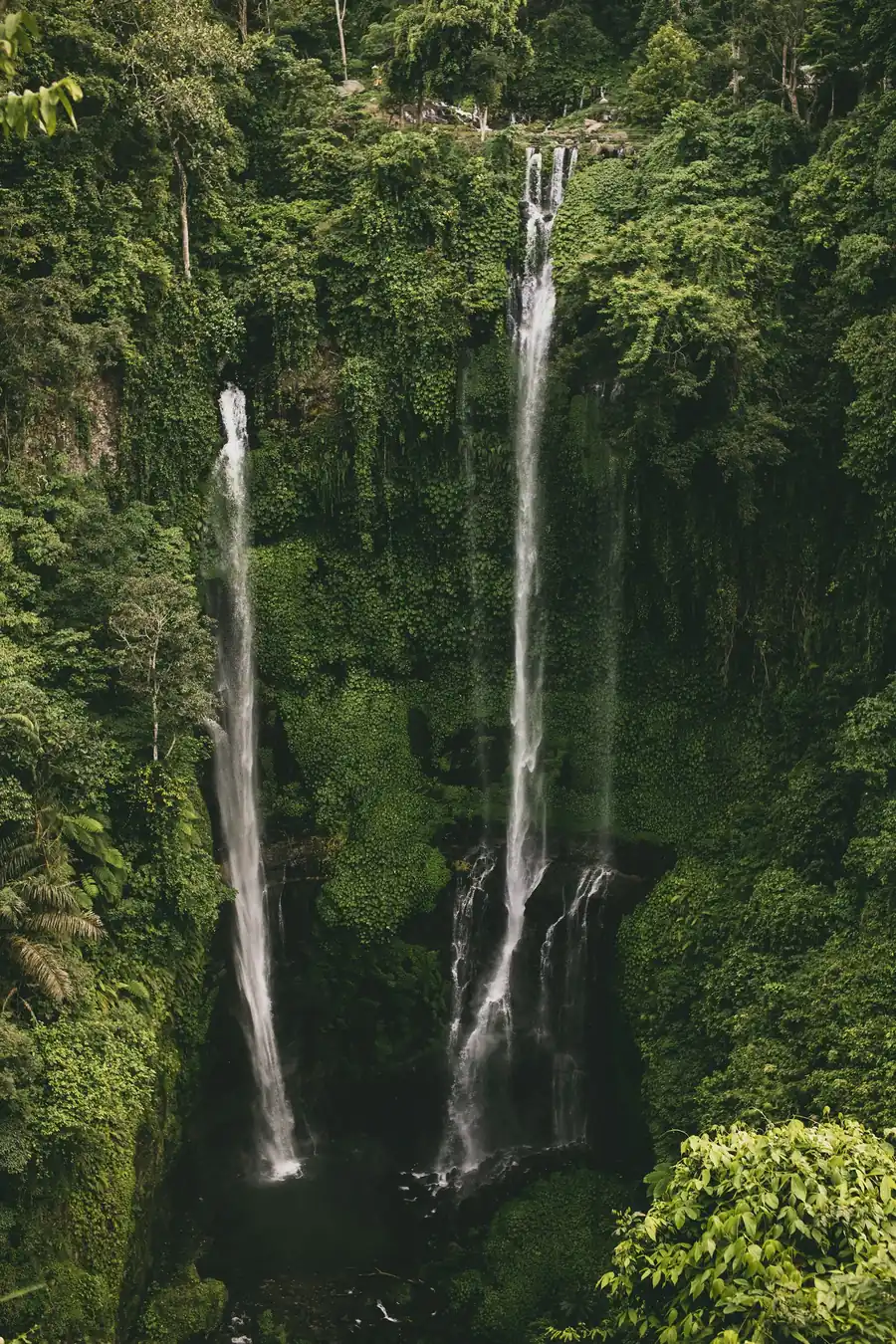
The shoulder seasons of April and October present a compelling alternative for those seeking excellent weather without the full intensity of peak season crowds and prices. These months act as transitional periods, bridging the gap between the dry and wet seasons, offering a unique blend of conditions that can be highly rewarding for the discerning traveler. While there might be an occasional shower, these are typically brief and localized, quickly giving way to sunshine. The humidity begins to rise slightly compared to the dry season, but remains comfortable for most activities. This is often the best time to experience Bali’s natural beauty, from its terraced rice fields to its pristine beaches, without feeling overwhelmed by tourist throngs.
Accommodation and flight prices tend to be more competitive during these months, offering better value for luxury experiences. You might find discounts of 15-25% on high-end resorts compared to peak season rates. The island feels a bit more relaxed, allowing for deeper cultural immersion and more spontaneous exploration. Service at restaurants and spas often feels more attentive, and popular attractions like the Tegallalang Rice Terraces or Goa Gajah are less congested. For a balanced and refined bali trip itinerary, these transitional months are truly golden.
April: Post-Wet Season Bloom
April marks the official end of the wet season, as rainfall significantly decreases to an average of around 90-120mm per month. The landscape, still vibrant from the monsoon rains, is at its most verdant, making it an ideal time for exploring the lush interior around Ubud. The air feels fresh, and the temperatures are comfortably warm, typically ranging from 28°C to 32°C. While the occasional afternoon shower might occur, it rarely disrupts plans for long. Crowds are noticeably thinner than in May or June, offering a more tranquil experience. This is an excellent month for surfing on the west coast, as the dry season swells begin to arrive consistently. Cultural events, like parts of the Bali Arts Festival, sometimes begin towards the end of April, offering a glimpse into local traditions.
October: Pre-Wet Season Calm
October mirrors April in its appeal, serving as the prelude to the wet season. Rainfall starts to increase slightly, averaging around 120-150mm, but most days remain sunny and pleasant. The humidity begins to climb, yet temperatures remain warm, between 28°C and 32°C. The ocean is typically calm, making it superb for snorkeling and diving. This is also a prime month for Mola Mola (ocean sunfish) sightings around Nusa Penida, an incredible marine spectacle. Crowds from the peak season have largely departed, leading to a more relaxed atmosphere and better availability at top-tier resorts. It’s an ideal time for exploring both coastal areas and the island’s interior, enjoying the last vestiges of consistent dry weather before the monsoon fully sets in. A well-planned bali trip itinerary in October can combine beach relaxation with cultural excursions seamlessly.
The Wet Season: Verdant Landscapes and Cultural Deep Dives (November-March)
The wet season, from November to March, often carries a misconception of relentless rain, but this is far from the reality in Bali. While it is indeed the monsoon period, rainfall typically occurs in short, intense bursts, often in the late afternoon or overnight. Mornings frequently begin with brilliant sunshine, revealing a freshly washed, incredibly green landscape. Humidity levels are higher, and temperatures hover between 28°C and 32°C. This period offers a distinctly different, yet equally captivating, Bali experience, characterized by lushness, fewer crowds, and the best value.
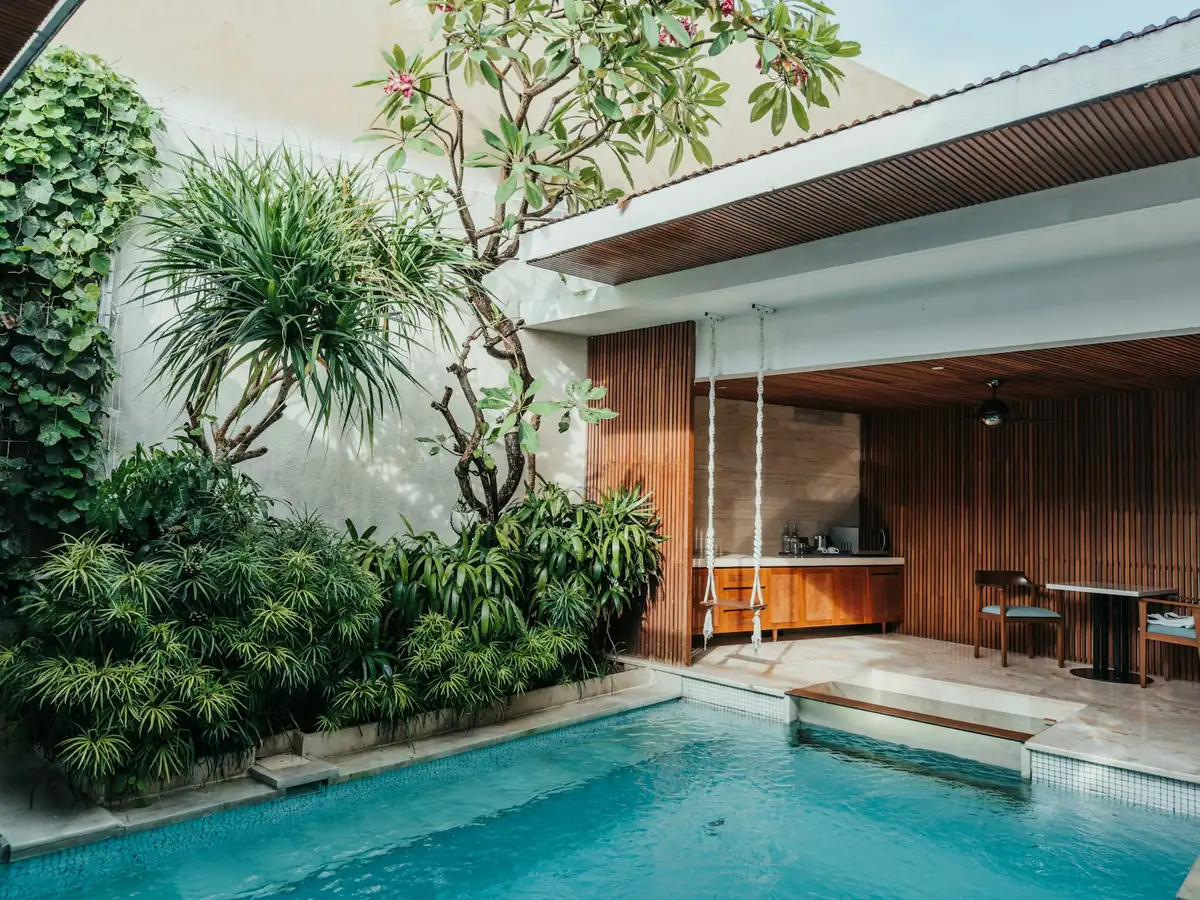
For those prioritizing cultural immersion, wellness, and exploring the island’s spiritual side, the wet season is ideal. The rice paddies are at their most vibrant, a spectacular emerald green, particularly around Jatiluwih and Tegallalang, which are UNESCO World Heritage sites for their Subak irrigation system. This is also the best time for waterfall chasing, as the cascades are at their fullest and most dramatic. With fewer tourists, you’ll find more intimate experiences at temples, cooking classes, and yoga retreats. Prices for luxury accommodations can drop by 20-40% compared to peak season, and flight deals are more readily available. The journey from Ngurah Rai International Airport (DPS) to Ubud typically takes 1.5 hours, and traffic can be less congested during this period.
November & December: Transitioning to Lushness
November sees the official start of the wet season, with average monthly rainfall increasing to 150-200mm. However, the island is still largely sunny, with showers typically lasting an hour or two. The landscape transforms into a vibrant tapestry of greens, and the air feels warm and tropical. Early December offers excellent value before the Christmas and New Year’s surge, which brings a brief but significant spike in visitors and prices. If you plan a bali trip itinerary around the festive period, booking well in advance is crucial, as luxury resorts fill up quickly and prices match dry season highs. Surfing shifts to the east coast breaks (Keramas, Sanur) as the west coast becomes less consistent due to onshore winds.
January & February: Peak Monsoon and Serenity
January and February are Bali’s wettest months, with average rainfall often exceeding 300mm. While heavy downpours are common, especially in the afternoons, prolonged periods of rain are rare. The mornings are frequently sunny, allowing for plenty of activity. This is the quietest period for tourism, excluding the brief New Year’s rush. For travelers seeking solitude and a deeper connection with Bali’s spiritual side, this is an opportune time. Spa treatments, cooking classes, and exploring art galleries in Ubud become primary attractions. The waterfalls, like Tegenungan and Sekumpul, are magnificent. This period offers the best value for luxury accommodations, with some resorts offering substantial packages. While outdoor activities are possible, flexibility in your bali trip itinerary is key to adapt to weather changes. Nyepi, the Day of Silence, typically falls in March or April, requiring a full 24-hour island-wide pause, a unique experience if your visit aligns.
Marine Conditions: Diving, Surfing, and Ocean Adventures
Bali’s marine environment is a year-round spectacle, but specific conditions favor certain activities. Understanding the seasonality of the currents, visibility, and swell patterns is crucial for planning your ocean adventures. Water temperatures around Bali are consistently warm, ranging from 26°C to 29°C throughout the year, making for comfortable dives and swims.
For **diving and snorkeling**, the dry season (May-September) generally offers the best visibility and calmest conditions, particularly around the Nusa Islands and Candidasa. This is prime time for spotting manta rays at Manta Point near Nusa Penida, with consistent sightings from April to October. The elusive Mola Mola (ocean sunfish) are most prevalent from July through October around Nusa Penida’s deeper dive sites, attracted by cooler upwellings. During the wet season, visibility can be slightly reduced due to runoff, but excellent dive sites like Tulamben (USS Liberty wreck) on the east coast remain superb, as they are sheltered from the prevailing westerly winds. Indonesia.travel provides further details on Bali’s incredible marine biodiversity.
**Surfing** in Bali is a tale of two coasts. During the dry season (April-October), the west coast (Uluwatu, Padang Padang, Canggu) receives consistent, powerful swells and benefits from offshore winds, creating world-class waves. This is when the iconic breaks truly come alive. As the wet season arrives (November-March), the winds shift, making the west coast choppy. Surfers then migrate to the east coast (Keramas, Sanur Reef, Nusa Dua), which becomes sheltered and offers cleaner, often smaller, but still enjoyable waves. Beginners will find consistent small waves at Kuta and Legian beaches year-round, though the best conditions for learning are often during the dry season’s calmer mornings. Knowing which coast to target based on the month is essential for an optimal surfing bali trip itinerary.
Navigating Crowds & Festivals: Enhancing Your Cultural Journey
Bali’s allure means it attracts visitors globally, and understanding crowd dynamics can significantly shape your experience. The island receives over 6 million international visitors annually, with peaks in Q3 (July-September) and around Christmas/New Year. During these times, popular attractions, restaurants, and roads can become very busy. A typical journey from Seminyak to Ubud, usually 1 hour, might extend to 2 hours during peak traffic. Booking tours, spa treatments, and dining reservations well in advance is highly advisable.
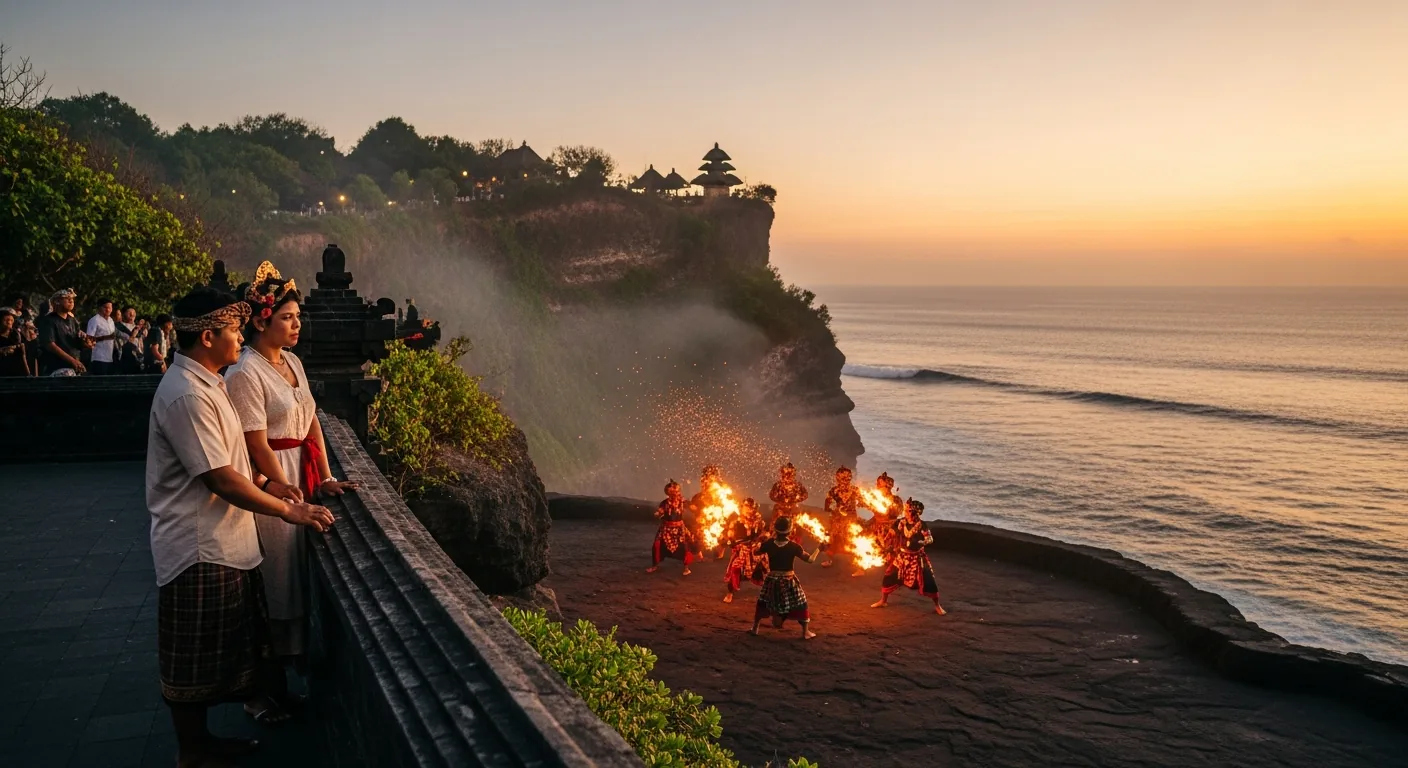
Beyond seasonal tourism, Bali’s vibrant Hindu culture means a rich calendar of local festivals and ceremonies, which can either draw crowds or provide unique, intimate cultural insights. **Nyepi, the Day of Silence**, is Bali’s most significant religious event, typically falling in March or April. The entire island observes a 24-hour period of silence, fasting, and meditation, with no lights, travel, or noise permitted. Experiencing Nyepi is profound but requires careful bali trip itinerary planning, as the airport closes, and all activities cease. Other important festivals like **Galungan and Kuningan** (occurring every 210 days) transform villages with elaborate bamboo penjor decorations, offering a beautiful glimpse into Balinese devotion. While these can attract local crowds to temples, they are generally less impactful on tourist movements than international peak seasons. Checking the local calendar is key for a culturally rich visit. You can find more details on Bali’s festivals here.

Pricing & Value Windows: Maximizing Your Luxury Experience
The cost of a luxury Bali escape fluctuates significantly throughout the year, directly correlating with the seasons and crowd levels. Understanding these pricing windows is paramount for optimizing your bali trip itinerary budget without compromising on indulgence.
**Peak Season (July-August, Christmas/New Year):** This is when Bali is at its most expensive. Luxury hotels and private villas in prime locations like Uluwatu, Seminyak, or Ubud can command rates upwards of $800 to $2,500 per night for a high-end property. Flights from major international hubs can also see their prices double or even triple. Expect to pay a premium for everything from car rentals to private tours. Booking at least 6-12 months in advance is essential to secure preferred accommodations and flights at somewhat more reasonable rates, although discounts are rare. A typical 7-day luxury bali trip itinerary during this period could easily exceed $10,000 per person, excluding international flights.
**Shoulder Season (April, May, June, September, October):** These months offer the best balance of excellent weather and more attractive pricing. Luxury resorts often provide special packages or slightly reduced rates, perhaps a 15-25% saving compared to peak season. Flights are also more competitively priced. A high-end villa might be available for $500-$1,200 per night. This period allows for a sophisticated Bali experience without the peak season premium, making it a favorite for discerning travelers. You might find better value for money on private drivers, spa treatments, and exclusive dining experiences.
**Wet Season (November-March, excluding Christmas/New Year):** This is Bali’s most affordable period. Luxury accommodations can offer significant discounts, sometimes 30-50% off peak rates, with villas available from $300-$800 per night. Flight prices are at their lowest, making long-haul journeys more accessible. While the weather can be unpredictable, the value proposition is undeniable. Many luxury resorts use this time to offer enticing wellness packages, extended stay deals, or complimentary upgrades to encourage bookings. If your priority is a lavish experience at a more accessible price point, and you don’t mind occasional tropical showers, this is your window. A week-long luxury bali trip itinerary could be crafted for $5,000-$8,000 per person, offering exceptional value for the quality of experience.
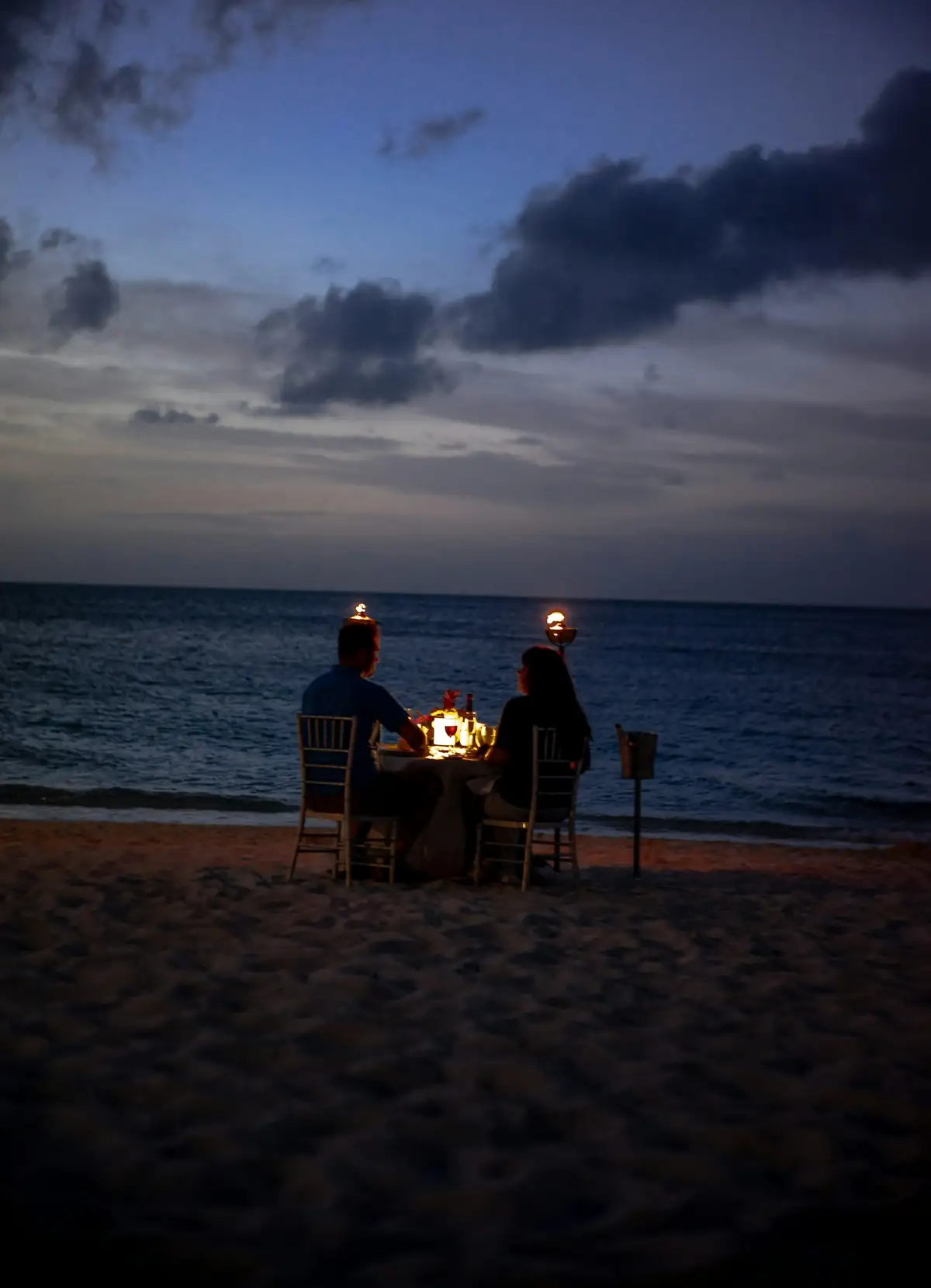
Crafting Your Ideal Bali Trip Itinerary
Ultimately, the “best” time for your Bali trip itinerary is a deeply personal choice, dictated by your vision for this extraordinary island. Do you dream of endless sun and vibrant beach clubs, or a serene immersion in emerald landscapes and spiritual tranquility? Are you a seasoned diver chasing the Mola Mola, or a wellness seeker drawn to Ubud’s healing energies? Bali offers a spectrum of experiences year-round, each season unveiling a different facet of its charm.
By considering the seasonal nuances of weather, marine conditions, crowd levels, and pricing windows, you can tailor a bali trip itinerary that aligns perfectly with your desires. Whether you choose the bustling energy of the dry season, the balanced beauty of the shoulder months, or the serene lushness of the wet season, Bali promises an unforgettable journey. Each moment, from the first sip of fresh coconut water to the last sunset over the Indian Ocean, will be infused with the island’s unique magic. For more inspiration on where to stay and what to do, explore our guides on Luxury Resorts in Bali and Bali Wellness Retreats.
Ready to transform your vision into reality? Begin planning your bespoke Bali escape today, knowing you’re equipped with the insights to choose your perfect moment. The Island of the Gods awaits your arrival, ready to enchant and inspire.