
The Critical Bali Trip Itinerary Mistakes: 10 Errors to Avoid for a Flawless Indonesian Escape
Plan My TripThe map of Bali is spread across the screen, a constellation of temples, beaches, and terraced rice fields. It looks deceptively small, an island paradise condensed. The temptation is to connect the dots—Ubud’s spiritual calm, Canggu’s surf breaks, Uluwatu’s clifftop vistas—into a seamless highlight reel. This is the first, and perhaps most common, misstep in planning a trip to the Island of the Gods. Bali’s geography is a lesson in patience; its culture, a study in nuance. A poorly conceived itinerary doesn’t just lead to disappointment; it actively subtracts from the profound experience the island offers. The difference between a trip defined by transit frustrations and one of deep connection lies in avoiding a series of predictable planning errors. At Bali Trip Itinerary Planner, our on-the-ground experts see these miscalculations daily. Here, we detail the 10 most critical mistakes and provide the strategic insights to circumvent them, ensuring your time is invested in discovery, not recovery. See also: see Bali Trip Itinerary Planner’s About.
Mistake #1 & #2: Underestimating Geographic Reality and Over-Scheduling Days
The most frequent flaw in a self-planned Bali itinerary is a fundamental misunderstanding of time and distance. On paper, the 45 kilometers from the surf-centric town of Canggu to the spiritual hub of Ubud seems like a brief transfer. In reality, this journey can consume between 90 minutes and two hours, contingent on the time of day and the persistent traffic congestion around Denpasar. Attempting to schedule a sunrise trek at Mount Batur, followed by a mid-day cooking class in Ubud, and finishing with a sunset cocktail at a Seminyak beach club is not ambitious; it is a recipe for exhaustion. You will spend the majority of your day inside a vehicle. See also: Bali Family Itinerary.
According to Jakarta-based logistics consultant Adrian Tirtadjaja, “Bali’s infrastructure, particularly in the south, has not kept pace with its tourism growth. A 20-kilometer drive can easily take over an hour.” For example, navigating from Ngurah Rai International Airport (DPS) to a hotel in Uluwatu, a distance of just 22 kilometers, frequently requires 60 to 75 minutes. This reality fundamentally alters how a multi-day itinerary must be structured. A private driver, a near-necessity for efficient travel, typically costs between $45 and $65 USD for an 8-10 hour day. While this is a reasonable expense, it becomes inefficient if that time is spent navigating between disparate regions rather than exploring one in depth. A well-structured bali itinerary 7 days plan should dedicate at least two to three nights per location to minimize transit time and maximize immersion.
- Action Item: Cluster Your Activities. Dedicate full days to a single region. Explore the Tegalalang Rice Terraces, Tirta Empul temple, and the Ubud Art Market on one day, as they are all within a 30-minute radius of central Ubud.
- Action Item: Use Realistic Transit Times. When using mapping applications, input your estimated travel time to get a more accurate prediction. A 10 AM departure from Seminyak to Uluwatu will yield a vastly different result than a 7 AM departure.
- Action Item: Build in Buffers. Schedule downtime. The Bali heat and humidity can be draining. A mid-afternoon break at your hotel pool is not a luxury; it’s a strategic necessity for maintaining energy.

Mistake #3 & #4: Selecting the Wrong Home Base and Ignoring Regional Character
The second major error is choosing a base of operations that is misaligned with your travel intentions. Bali is not a monolith; it is an archipelago of distinct micro-cultures. A couple seeking a serene, restorative escape for a bali honeymoon itinerary will find the vibrant, party-centric atmosphere of Kuta or parts of Seminyak jarring. Conversely, a family desiring accessible activities and restaurants would feel isolated in the remote, wellness-focused enclaves of North Bali like Tejakula. The character of each town dictates the rhythm of daily life, the types of available amenities, and the overall cost.
Choosing correctly requires research beyond surface-level descriptions. Canggu, for instance, is known for its surf culture and expatriate scene, with countless cafes like Crate Cafe catering to digital nomads. Its beaches are dramatic black sand, better for surfing than for casual swimming. Nusa Dua, by contrast, is a purpose-built enclave of five-star resorts like The St. Regis Bali, featuring manicured beaches and a highly controlled, secure environment ideal for a certain type of bali family itinerary. Understanding these nuances prevents the costly and time-consuming process of realizing you are in the wrong place. The financial implications are also significant; a four-star hotel in Ubud may average $120 USD per night, while a comparable property in the less-trafficked area of Amed could be closer to $70 USD.
Regional Comparison for Your Bali Itinerary
| Region | Primary Vibe | Best Suited For | Avg. Mid-Range Hotel (USD/Night) |
|---|---|---|---|
| Ubud | Cultural, Wellness, Arts | Couples, Solo Travelers, Culture Seekers | $90 – $180 |
| Canggu | Surf, Expat, Social | Young Travelers, Digital Nomads | $80 – $150 |
| Seminyak | Upscale Dining, Boutiques, Beach Clubs | Luxury Travelers, Foodies | $150 – $300 |
| Uluwatu | Clifftop Views, Luxury Villas, Surf | Honeymooners, Surfers, Luxury Escapes | $180 – $400 |
| Nusa Dua | All-Inclusive Resorts, Calm Beaches | Families with Young Children, Conference-Goers | $200 – $450 |
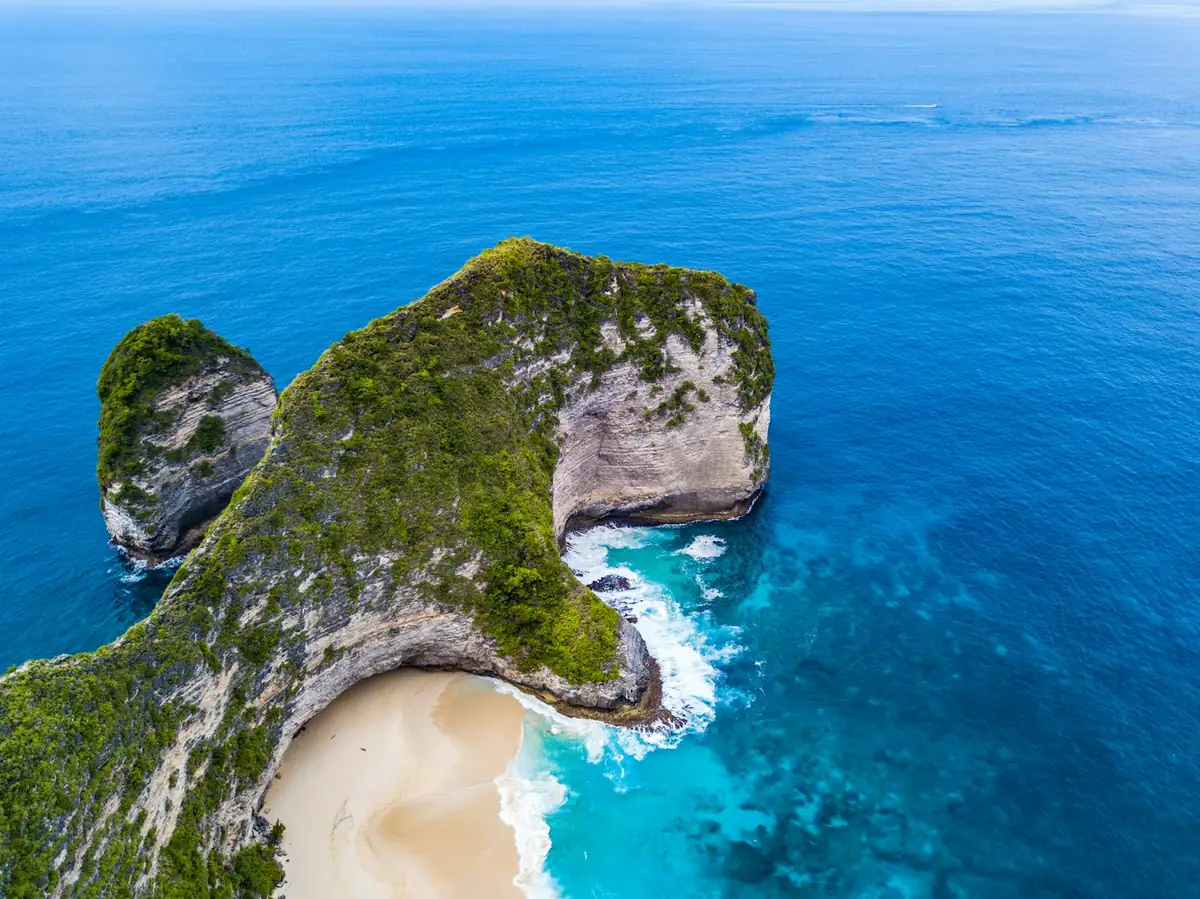
Mistake #5: A Vague and Inaccurate Bali Trip Cost Assessment
Arriving in Bali with a poorly researched budget is a common path to financial stress. While Indonesia offers exceptional value compared to Western destinations, a clear understanding of costs is essential. The perception of Bali as a uniformly “cheap” destination is outdated. While a plate of Nasi Campur from a local warung can cost as little as $2.50 USD (or IDR 40,000), a multi-course dinner at a celebrated Seminyak restaurant like Merah Putih can easily exceed $75 USD per person. This disparity applies to every category of spending.
A realistic bali trip cost calculation must be itemized. Entrance fees to popular sites, while individually small, accumulate. Access to Uluwatu Temple is IDR 50,000 (about $3.25 USD); the Sacred Monkey Forest in Ubud is IDR 80,000 ($5.20 USD). Activities carry a wider price range: a two-hour surf lesson in Kuta costs around $30 USD, while a private guided trek up Mount Batur can be $50-$70 USD per person. A critical detail often overlooked by first-time visitors is the government tax (10%) and service charge (often 5-11%) added to bills at most hotels and formal restaurants, instantly increasing your cost by up to 21%. A mid-range traveler should budget approximately $100-$150 USD per day, per person, excluding accommodation, to comfortably cover meals, transport, and activities.
- Budget Tier 1 (Backpacker): $40-$60 USD/day. Focus on homestays, local warungs, and limited paid activities.
- Budget Tier 2 (Mid-Range): $100-$180 USD/day. Comfortable hotels, a mix of local and mid-tier restaurants, private driver for some days, regular activities.
- Budget Tier 3 (Luxury): $300+ USD/day. Villas or high-end resorts, fine dining, private transport, exclusive tours and spa treatments.
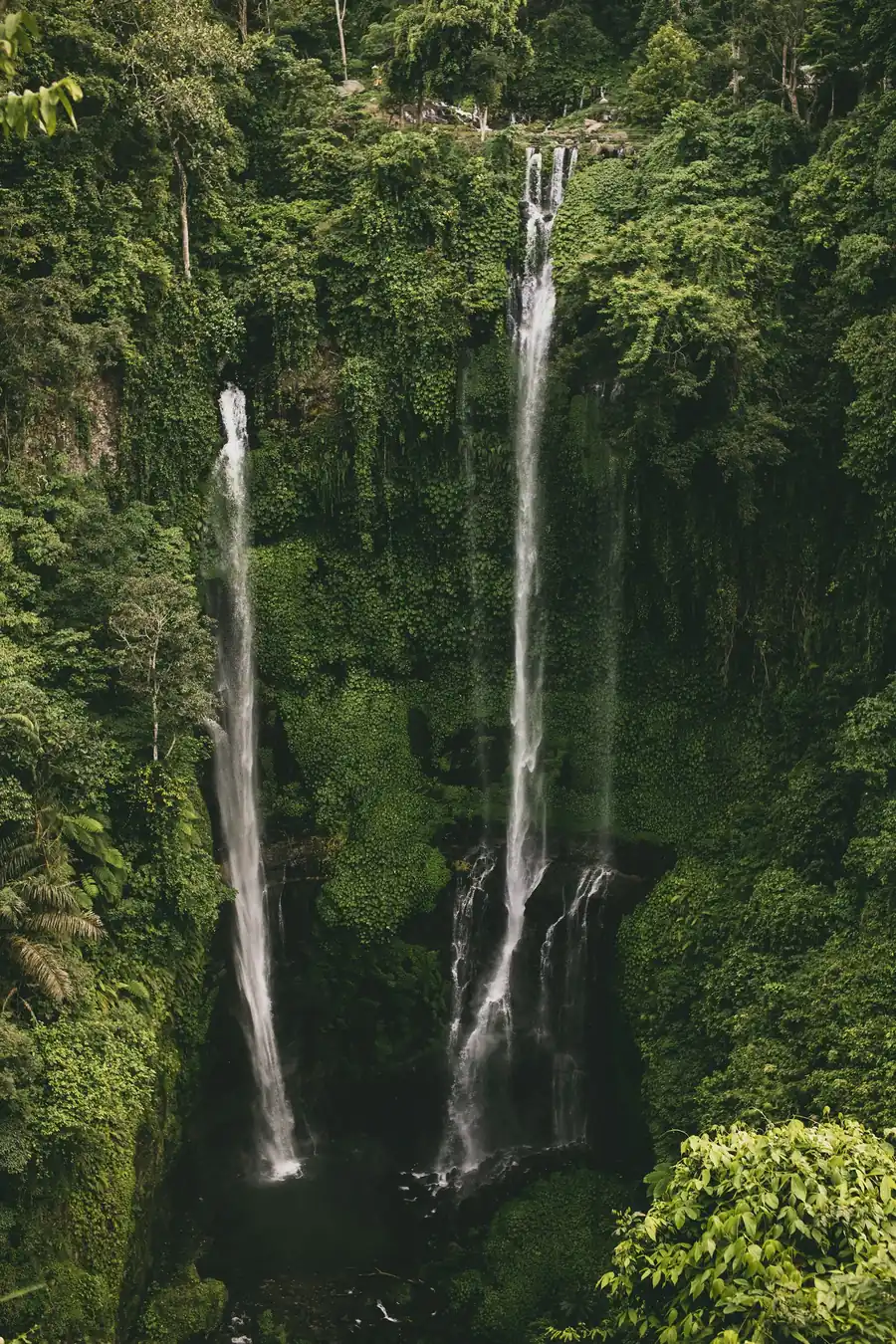
Mistake #6 & #7: Disregarding Cultural Protocol and Visa Formalities
Bali operates on a unique spiritual and cultural frequency. Ignoring local customs is not only disrespectful but can also bar you from entry to sacred sites. The most common transgression is improper attire at temples (pura). All visitors, regardless of gender, are required to cover their legs with a sarong and their shoulders with a sash. While these are often available for rent at major temples like Tanah Lot or Pura Lempuyang for a nominal fee (IDR 10,000-25,000), having your own is a sign of respect. Another critical point of etiquette is awareness of the canang sari—small, woven palm-leaf offerings filled with flowers and incense placed on the ground daily. Intentionally stepping on one is considered deeply offensive.
Equally important are the legal formalities of entry. As of 2023, citizens from over 85 countries can obtain a Visa on Arrival (VoA), which costs IDR 500,000 (approximately $35 USD) and is valid for 30 days. This visa can be extended once for an additional 30 days. It is crucial to check the latest regulations on the official Indonesian Directorate General of Immigration website before travel, as policies can change. The penalty for overstaying a visa is severe: IDR 1,000,000 (about $65 USD) per day. Assuming visa-free entry or misunderstanding the length of stay can lead to significant fines and travel disruptions upon departure from Ngurah Rai International Airport (DPS). See also: Bali Trip Itinerary Planner.
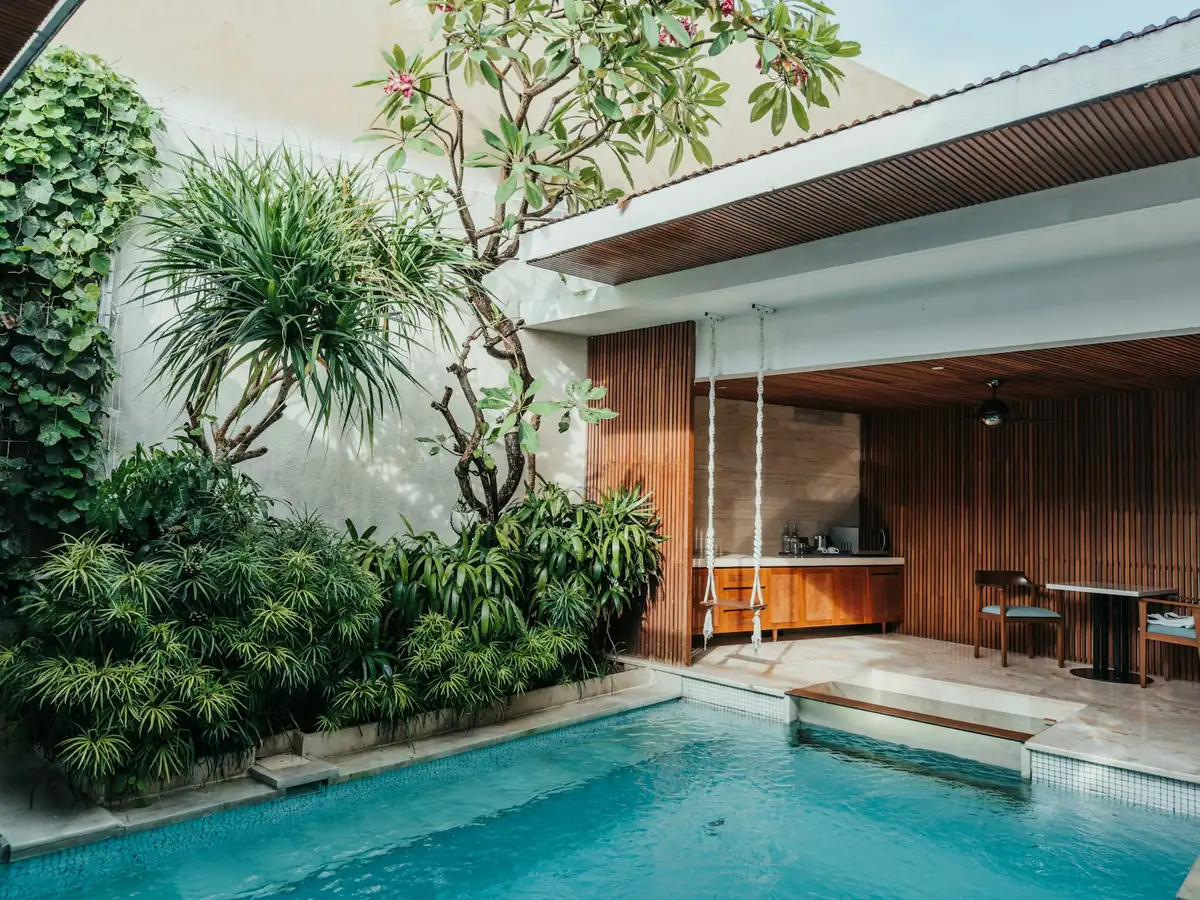
Mistake #8 & #9: Ignoring Seasonality and Prioritizing Instagram over Experience
Bali has two distinct seasons: the dry season from approximately April to October, and the wet season from November to March. Planning a beach-centric holiday in January or February, the peak of the rainy season, can lead to disappointment. While the rain often comes in intense but short bursts, it can also settle in for days, causing localized flooding and making travel difficult. The dry season offers the most sunshine but also coincides with peak tourist arrivals (July-August) and higher prices. The shoulder months—April, May, and September—often provide the best balance of favorable weather, fewer crowds, and more competitive pricing for accommodations.
A modern pitfall is building an itinerary around a checklist of social media photo opportunities. The “Gates of Heaven” at Pura Lempuyang is a prime example. Visitors often wait in line for two to four hours for a single photograph, which uses a mirror trick to create a reflection that doesn’t exist in reality. This time could be spent exploring less-crowded, equally profound sites like the Tirta Gangga water palace or the serene Besakih Temple on the slopes of Mount Agung. A truly rewarding Bali itinerary balances iconic landmarks with authentic, unscripted experiences. Instead of the crowded Tegalalang terraces, consider visiting the UNESCO-listed Jatiluwih Rice Terraces, a vast and far more immersive landscape.
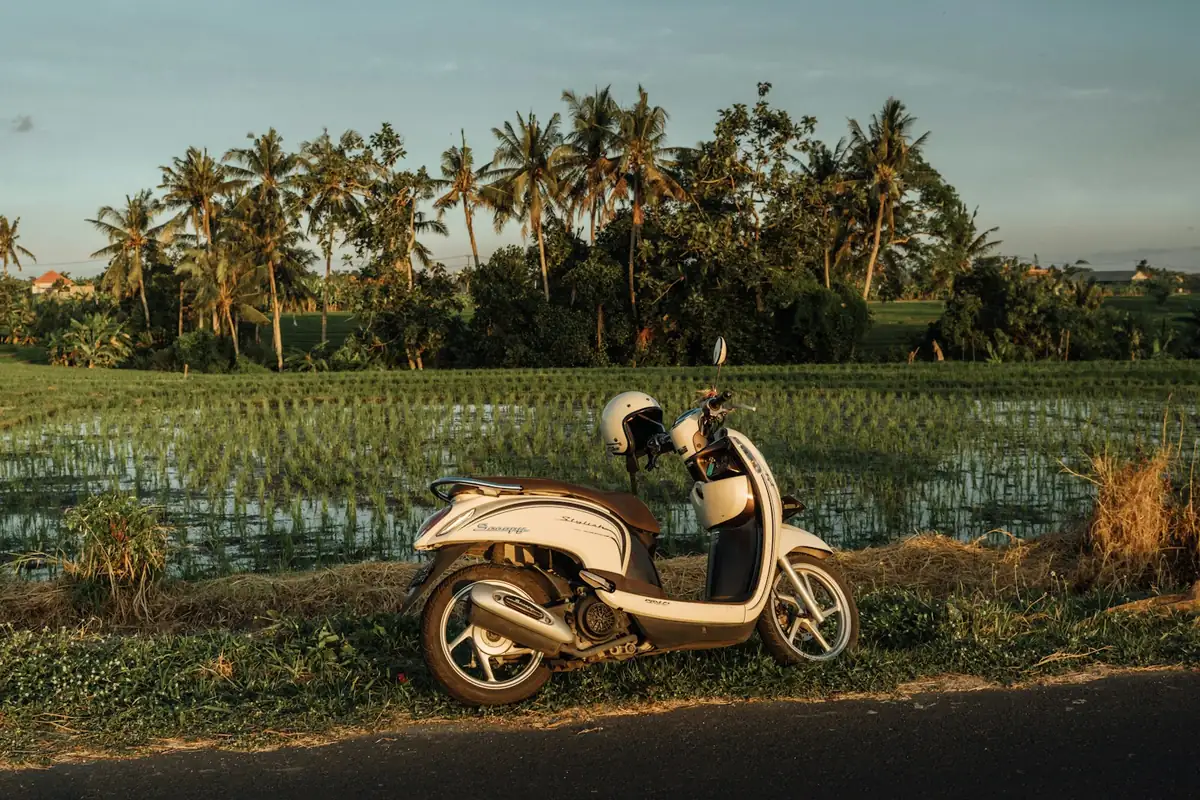
Mistake #10: Forgoing Travel Insurance and Misunderstanding Payment Methods
Treating travel insurance as an optional extra is perhaps the most serious financial risk a traveler can take. The primary concern in Bali is medical coverage, particularly for traffic accidents. Scooter rentals are ubiquitous and offer a sense of freedom, but roads can be hazardous and accidents are common. A medical emergency requiring treatment at an international-standard facility like BIMC Hospital can be expensive, and a medical evacuation can cost upwards of $50,000 USD. Ensure your policy explicitly covers scooter/motorcycle use and has a high limit for medical evacuation.
On a daily basis, a misunderstanding of payment methods can cause friction. While major hotels, high-end restaurants, and boutiques in areas like Seminyak and Ubud accept credit cards, Bali remains a predominantly cash-based economy. Local warungs, market vendors, drivers, and small shops require Indonesian Rupiah (IDR). It is essential to carry a sufficient amount of cash (e.g., IDR 500,000 – 1,000,000) for daily expenses. For larger withdrawals, use ATMs located inside banks or reputable convenience stores to minimize the risk of card skimming, a known issue in tourist areas. Ride-hailing and food delivery apps like Gojek and Grab are also indispensable tools, but linking them to a credit card or topping up their digital wallets is necessary for seamless use.
Crafting a Cohesive Bali Itinerary Without the Common Pitfalls
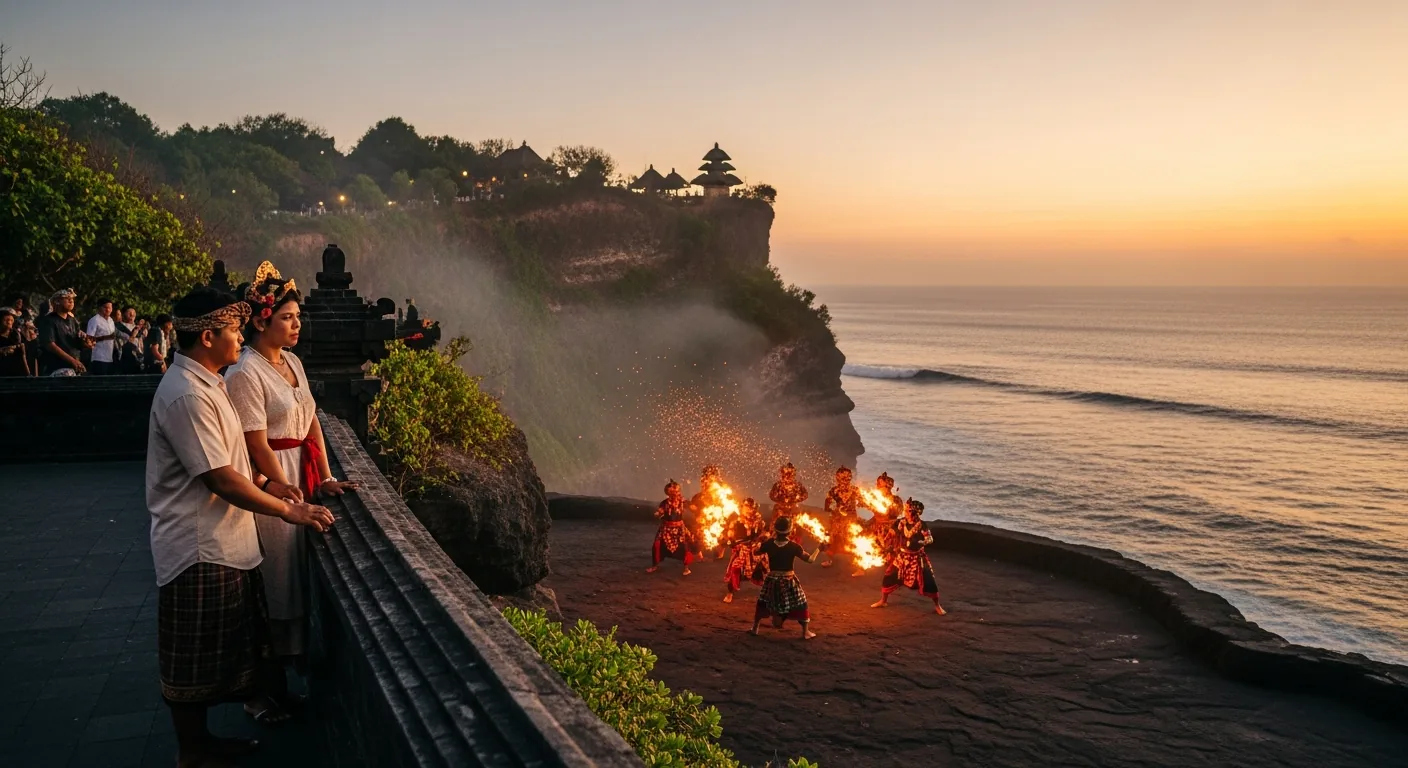
Avoiding these ten mistakes transforms a Bali trip from a series of logistical hurdles into a fluid, enriching experience. A successful itinerary is not about seeing everything, but about experiencing a few things deeply. It acknowledges the island’s pace, respects its culture, and aligns with your specific travel style and budget. It requires moving beyond a checklist mentality to create a narrative for your trip—one that prioritizes immersion in Ubud’s culture, relaxation on Uluwatu’s cliffs, or adventure in the northern highlands.
This level of detailed, nuanced planning is our specialty. Instead of spending hours deciphering traffic patterns and regional characteristics, let our experts design a trip that is perfectly calibrated to your needs. The team at Bali Trip Itinerary Planner uses on-the-ground knowledge to build custom itineraries that are realistic, cost-effective, and centered on authentic experiences.
Let Us Plan Your Perfect Bali Itinerary
Contact our Bali-based specialists to begin crafting a personalized itinerary that avoids the pitfalls and unlocks the true essence of the island. We handle the logistics so you can focus on the experience.
Brand: Bali Trip Itinerary Planner
Phone: +62 (811) 394-14563
Email: [email protected]
Office: Jalan Sunset Road No. 88, Kuta, Badung, Bali 80361, Indonesia