
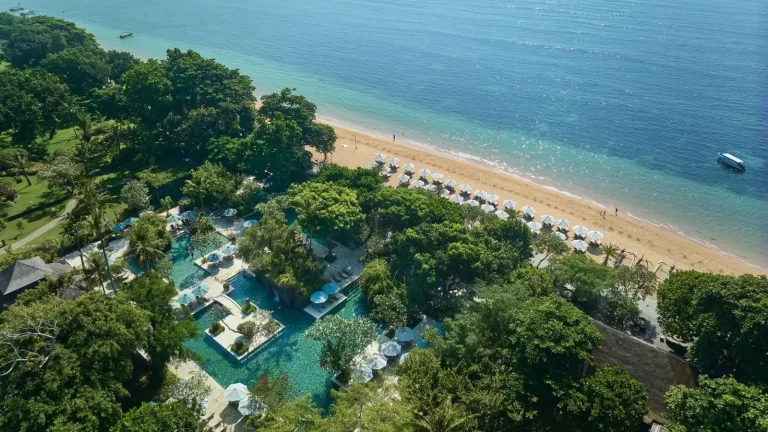
Private Villa vs. 5-Star Resort for Your Bali Itinerary
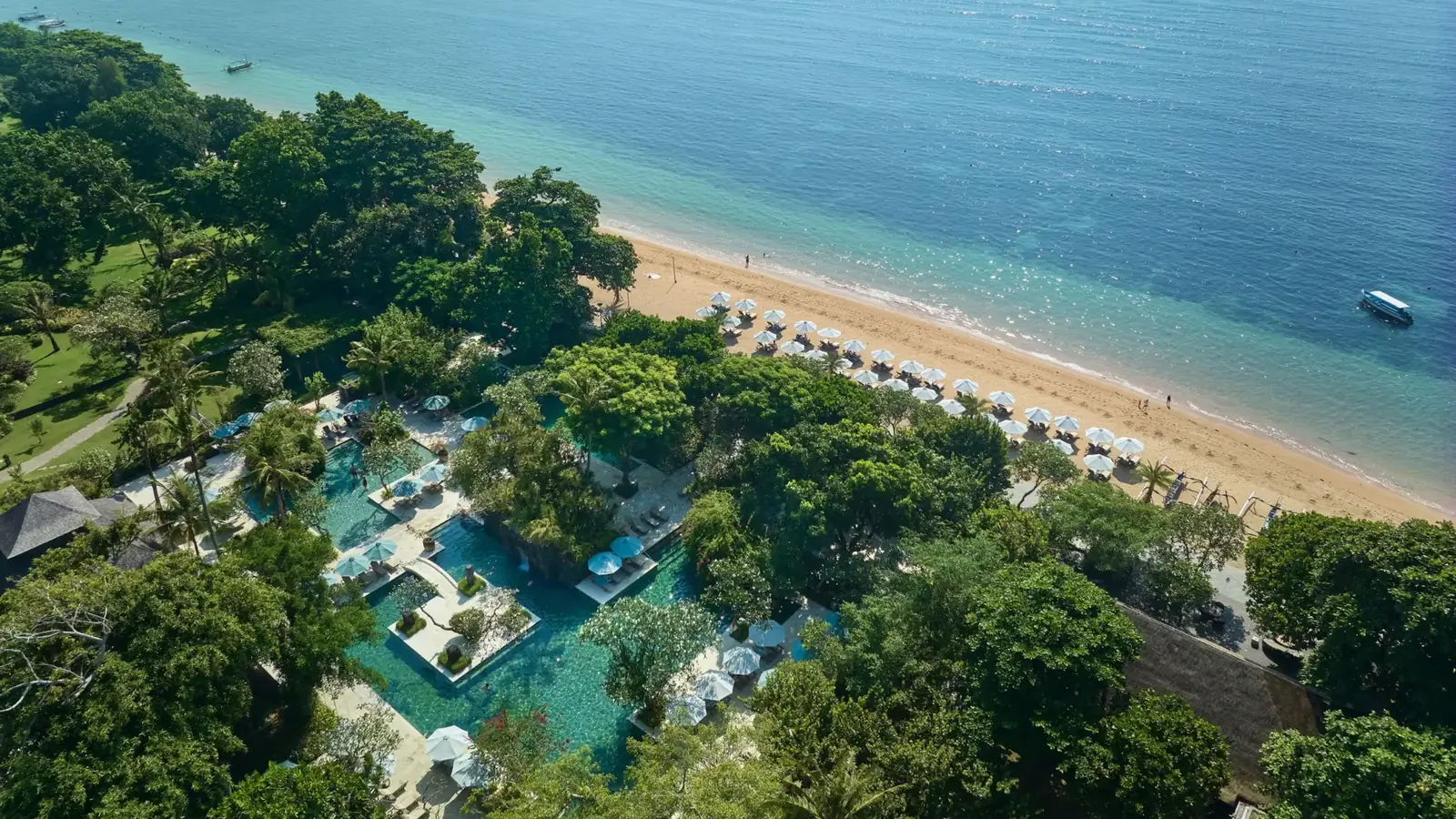
Deciding between a private villa and a 5-star resort for your Bali itinerary hinges on your preference for bespoke privacy versus integrated amenities. A villa offers an exclusive, self-contained world with personalized staff, while a resort provides a dynamic campus of restaurants, spas, and organized activities accessible at a moment’s notice.
- Private Villas: Best for families, groups, or couples seeking ultimate seclusion, expansive living spaces, and a dedicated staff.
- 5-Star Resorts: Ideal for travelers who value diverse on-site dining, world-class spa facilities, and immediate access to a social environment.
- Hybrid Itinerary: Consider a split stay—a resort in a coastal hub like Seminyak followed by a tranquil villa deep in the Ubud jungle.
The air in Bali shifts with your choices. Stand on the polished terrazzo floor of a private villa in Canggu, and the dominant sound is the gentle overflow of your infinity pool, a sound that melts into the rustle of the surrounding rice paddies. The scent is of frangipani and freshly brewed coffee, prepared by your private butler. Now, transport yourself to a cabana at a five-star resort in Nusa Dua. Here, the air carries the subtle beat from the beach club, the clink of ice in a cocktail glass, and the murmur of a dozen languages. The choice between these two worlds is perhaps the most fundamental one you will make when crafting your perfect Bali trip itinerary, a decision that dictates the entire rhythm of your stay.
The Allure of Seclusion: Defining the Private Villa Experience
The modern luxury villa in Bali is not merely a rental home; it is a meticulously curated private estate. The concept truly took hold in the early 2000s, and by 2018, the island had an estimated 4,000 commercially-rented villas, a number that has only grown. The appeal is rooted in a single, powerful concept: absolute control over your environment. You are not one of 200 guests; you are the only guest. This grants a level of privacy that even the most exclusive resort suite cannot replicate. Imagine waking not to the sound of a housekeeping cart in the hallway, but to your personal chef quietly setting up breakfast on your lanai—a breakfast tailored precisely to your preferences discussed the night before. This is the villa standard. For families or groups, the economics are compelling. A four-bedroom, 5,000-square-foot villa in Uluwatu might command a price of $1,500 per night, but when split between four couples, this cost becomes significantly lower than booking four separate ocean-view rooms at a top-tier resort. The value extends beyond price; it’s about shared spaces—the media room, the poolside bale, the expansive garden—that foster connection in a way that disparate hotel rooms cannot. As a friend and renowned Bali-based architect, Putu Mahendra, once told me, “We don’t just design houses; we design private resorts for a single family.”
The Ecosystem of Excellence: What a 5-Star Resort Delivers
If a villa is a private kingdom, a 5-star resort is a vibrant, self-sufficient city-state of leisure. Properties like the Four Seasons at Sayan or The Mulia in Nusa Dua are masterpieces of hospitality engineering, designed to anticipate and fulfill every conceivable need. The sheer scale of amenities is the primary differentiator. We’re not talking about a single pool; we’re talking about a tiered network of pools, from serene, adults-only sanctuaries to family-friendly lagoons, complete with waterslides. The dining options alone can be staggering. A top resort may feature a half-dozen or more distinct culinary venues, from a Michelin-aspirant fine dining room to a casual beachfront grill, all overseen by an executive chef commanding a brigade of 100 or more. This variety is a powerful draw for travelers who delight in choice and spontaneity. The service infrastructure is another key factor. These resorts operate with staff-to-guest ratios that can exceed 3-to-1, ensuring that a specialist is always on hand, whether you need a sommelier to guide you through a 500-label wine list or a marine biologist to lead a snorkeling tour. According to Indonesia’s official tourism board, the hospitality sector is a cornerstone of the nation’s economy, and these resorts represent the apex of training and execution. For many, the appeal lies in this effortless ecosystem where the most strenuous decision of the day is choosing between a hot stone massage at the award-winning spa or a private yoga session overlooking the ocean.
Service and Staffing: A Tale of Two Philosophies
The nature of service is where the private villa and 5-star resort diverge most philosophically. In a villa, the service is deeply personal and dedicated. You will know your villa manager, your chef, and your driver by name within hours of arrival. This small, consistent team becomes attuned to your group’s specific rhythms and preferences. Your chef learns that your son only eats pasta with a specific sauce or that you prefer your morning cappuccino at precisely 7:15 AM. They can arrange a last-minute shopping trip to the local market in Gianyar to procure fresh seafood for an evening barbecue. This is bespoke service in its truest form. However, the scope is inherently limited. Your chef is a chef, not a pastry specialist or a sushi master. The staff typically works set hours, usually from 7 AM to 10 PM. In contrast, a resort offers a vast, anonymous, yet profoundly efficient service machine that operates 24/7. The concierge desk is a nexus of logistical power, capable of chartering a helicopter with 30 minutes’ notice or securing a reservation at a restaurant that has been fully booked for months. While you may not form a personal bond with the room service attendant, you can order a perfect club sandwich and a bottle of chilled champagne at 3 AM. The specialization is immense; you have access to tennis pros, kids’ club counselors with pedagogical training, and spa therapists who have mastered dozens of modalities. The choice boils down to depth versus breadth. A villa offers a deep, familial style of service, while a resort provides an astonishingly broad and endlessly available array of professional expertise.
Location, Location, Location: Access vs. Immersion
The physical placement of villas and resorts across Bali’s 5,780 square kilometers often dictates the kind of experience you’ll have. Major 5-star resorts are typically clustered in highly developed, accessible tourism zones. Nusa Dua, for instance, is a purpose-built enclave of luxury properties with manicured beaches and high security, located just a 20-minute drive from Ngurah Rai International Airport (DPS). Seminyak and Legian offer resorts directly on the beach, steps away from high-end boutiques and world-famous beach clubs like Ku De Ta or Potato Head. This provides unparalleled convenience and immediate access to Bali’s most energetic social scenes. Private villas, on the other hand, offer a far wider spectrum of locations, often pushing into areas that provide a deeper sense of cultural and natural immersion. You can rent a villa perched on the dramatic cliffs of Uluwatu, offering 180-degree ocean views and a front-row seat to one of Bali’s most sacred sea temples. Or you can retreat to a property near Ubud, seemingly lost within the island’s intricate network of rice terraces, part of a cultural landscape recognized as a UNESCO World Heritage site. These locations trade immediate beach access for tranquility and a connection to a more traditional Balinese way of life. Crafting a Bali trip itinerary often involves weighing the convenience of a resort’s location against the unique, immersive setting a villa can provide.
Cost Analysis: Unpacking the Value Proposition
A surface-level comparison of nightly rates can be misleading; the true value proposition of a villa versus a resort emerges when you analyze the total cost for your specific travel party. A standard room at a premium resort in Bali might range from $400 to $900 per night. For a family of four requiring two rooms, this quickly adds up to $800 to $1,800 per night. A three-bedroom villa of a comparable luxury standard could be secured for $1,000 to $2,000 per night. For a larger group of six or eight, the per-person cost in a villa is almost always significantly lower than booking multiple resort rooms. Then, consider ancillary spending. At a resort, every meal, every drink, every activity comes with a line-item charge, plus a mandatory service charge and government tax that typically adds 21% to every bill. A cocktail by the pool can easily cost $18. In a villa, you have a full kitchen and a private chef. You can purchase your own premium spirits at a local store for a fraction of the cost, and your chef’s services are often included in the rental rate, with you only paying the at-cost price for the groceries. A family dinner for six prepared by your villa chef might cost $100 in groceries, whereas a similar meal at a resort restaurant could easily exceed $500. This is not to say villas are always the “cheaper” option, but for groups, the value is undeniable. The luxury is paying a transparent, upfront cost for the space and staff, then controlling your own consumption costs directly.
Crafting the Perfect Itinerary: A Hybrid Approach
As travel editors, we are often asked for the definitive answer: villa or resort? The most sophisticated travelers we know, however, understand that the question itself is flawed. The ultimate luxury is not being forced to choose. The insider’s strategy, and one we frequently recommend when building a custom Bali trip itinerary, is the hybrid approach. For a 10- or 14-day journey, splitting your time between two different accommodation styles in two distinct regions offers a holistic and dynamic experience of the island. You could begin with five nights at a world-class resort in Seminyak. This allows you to decompress from your long-haul flight, indulge in the resort’s spa, sample different restaurants each night, and dive into the vibrant beach club scene. You are in the heart of the action, with every convenience at your fingertips. Then, for the second half of your trip, you transition to a private, fully-staffed villa nestled in the hills surrounding Ubud. The pace slows instantly. Your days are defined by swims in your private pool, morning walks through the rice paddies, and long, leisurely dinners prepared by your chef on the villa’s terrace. This is your time for cultural immersion—a private cooking class, a visit to the Tegalalang Rice Terraces, or simply reading a book in profound silence. This split-stay strategy allows you to experience both the energetic, social side of Bali and its serene, spiritual heart, giving you a far richer and more complete understanding of the island’s multifaceted appeal.
Quick FAQ
Is a villa or resort better for a family with young children? Resorts often have dedicated kids’ clubs, certified childcare, and lifeguarded pools, making them a straightforward choice. However, a villa offers a controlled private environment, a personal kitchen for preparing familiar meals, and no need to worry about disturbing other guests, which many families find invaluable.
What about security in a private villa? Reputable villas managed by professional companies come with 24/7 security, often including a guard stationed at the property entrance and comprehensive CCTV systems. This is a standard feature in the luxury villa market, which, according to a 2019 report by Ken Research, has become increasingly professionalized.
Can I get spa treatments in a villa? Absolutely. Virtually all high-end villa managers can arrange for professional spa therapists to come directly to the villa for a full menu of treatments. This allows for an incredibly private and convenient wellness experience, often at a price point 20-30% lower than a comparable resort spa.
Which is better for a honeymoon or romantic getaway? This is highly subjective. For couples who prize absolute privacy, intimacy, and quiet, a one-bedroom “honeymoon villa” with a private plunge pool is unparalleled. For couples who enjoy a more social atmosphere, diverse dining options, and organized activities, a luxury resort like Amankila or The Ritz-Carlton Mandapa offers a more comprehensive romantic ecosystem.
Ultimately, the debate between a private villa and a 5-star resort is not about which is superior, but which is the superior choice for your specific journey, your travel companions, and your state of mind. The real luxury is having the knowledge to choose wisely. To move beyond the hypothetical and begin designing a journey that perfectly balances these elements for an unforgettable experience, explore our expertly curated Bali trip itinerary blueprints. We’ve navigated the complexities so you can immerse yourself in the magic of the island.
Keep Reading

Uncategorized
Best Time to Visit Bali for Your 2027 Trip Itinerary: Dry Season vs. Rainy Month Breakdown
Best Time to Visit Bali for Your 2027 Trip Itinerary: Dry Season vs. Rainy Month BreakdownKey TakeawaysVisit Bali during the…

Uncategorized
Why Book Komodo Luxury in 2027 (Part 4)
As you plan your dream getaway to the stunning Komodo National Park in 2027, the exclusive experiences and breathtaking landscapes…

Uncategorized
Pink Beach Komodo From Bali: How to See It and Where to Stay
Visiting Pink Beach in Komodo National Park is a dream for many travelers. With its stunning pink sands and crystal-clear…