
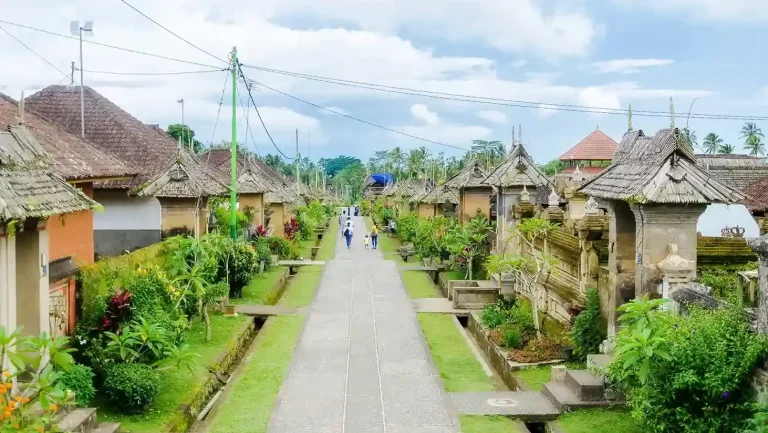
Sustainable And Ethical Bali Itineraries
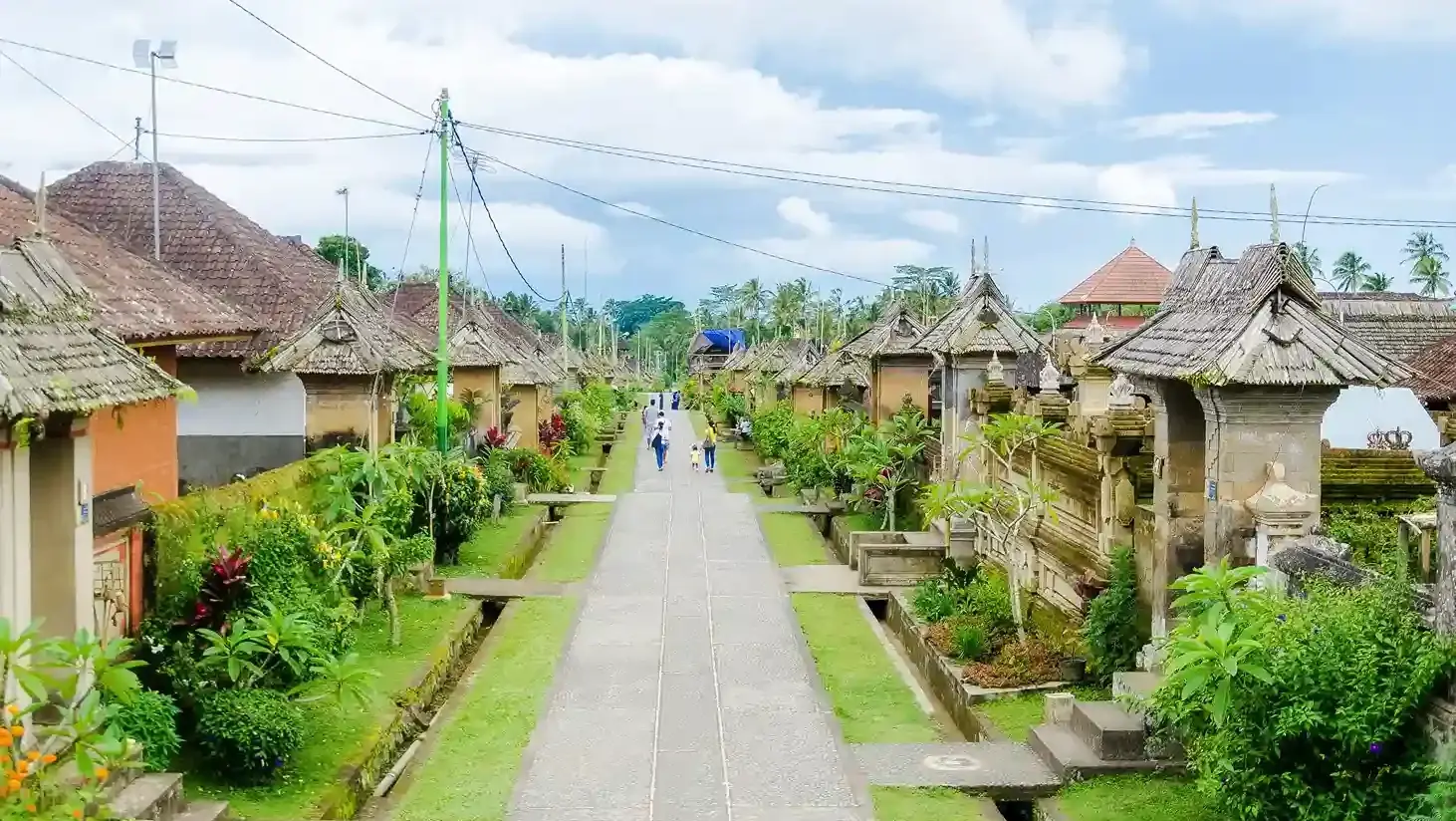
Understanding Sustainable and Ethical Travel in Bali
Sustainable travel in Bali involves making choices that minimize environmental impact while supporting local communities. It encompasses eco-friendly accommodations, responsible wildlife interactions, and the promotion of local culture. As Bali continues to develop, prioritizing sustainability ensures that this beautiful island remains a vibrant destination for future generations.
Eco-Friendly Hotels in Ubud
When seeking eco-friendly accommodations in Ubud, than hotels that prioritize sustainable practices. One standout is Bambu Indah, a boutique hotel featuring traditional Javanese houses made from local materials. Nightly rates start at around $150 USD (approximately 2.3 million IDR) for a unique experience immersed in nature.
Another great option is Alila Ubud, known for its commitment to sustainability and exceptional service. With rates starting at $250 USD (about 3.8 million IDR) per night, this hotel offers a luxurious stay with breathtaking views of the Ayung River Valley. They also collaborate with local farmers to promote organic farming practices.
For a budget-friendly choice, consider Sari Organik, which offers simple accommodations within walking distance to rice fields. Prices are approximately $50 USD (around 750,000 IDR) per night. Their on-site restaurant sources ingredients from local organic farms, allowing guests to enjoy fresh, healthy meals.
Supporting Local Communities in Bali Itinerary
To truly immerse yourself in Balinese culture while supporting local communities, consider following a thoughtful itinerary. Start with a visit to a traditional Bali Aga village, such as Trunyan, where you can observe unique customs, including their traditional burial practices. Guided tours can be arranged for around $30 USD (about 450,000 IDR), with fees supporting local artisans.
Engage in a cooking class at Paon Bali Cooking Class, where you’ll learn to prepare authentic Balinese dishes using locally sourced ingredients. Classes cost around $50 USD (about 750,000 IDR) per person and include a visit to the local market, providing an opportunity to interact with vendors and taste fresh produce.
Your itinerary can also include trips to local artisan workshops in Mas Village (known for wood carving) and Celuk (renowned for silver jewelry). Here, you can support local craftsmen by purchasing handmade goods that reflect Balinese culture.
Responsible Dolphin Watching in Bali
While Bali’s coastline is a prime location for dolphin watching, it’s essential to choose responsible operators. Look for tours that adhere to ethical practices, such as maintaining a safe distance from the dolphins and limiting the number of boats in the water.
One reputable operator, Bali Dolphin Tours, offers early morning trips that respect dolphin habitats. Prices typically range from $60 USD (approximately 900,000 IDR) for a two-hour tour. Remember to ask about their ethical policies to ensure they prioritize the well-being of these marine mammals.
Ethical Elephant and Animal Experiences in Bali
In the realm of animal experiences, select venues that prioritize animal welfare. Rather than visiting establishments that offer elephant rides, consider visiting the Elephant Safari Park in Taro, which focuses on elephant rescue and rehabilitation. Admission is around $70 USD (approximately 1 million IDR) and includes guided tours that educate visitors about the elephants’ natural behaviors.
Another excellent choice is Bali Zoo, which emphasizes conservation and education. They host interactive sessions that allow for close encounters without compromising animal welfare. Prices for admission start at $30 USD (about 450,000 IDR).
Bali Plastic Ban Rules and Tips
Bali has implemented a ban on single-use plastics, including bags, straws, and Styrofoam containers. This initiative is crucial for protecting the island’s natural beauty and marine life. As a traveler, you can contribute by carrying a reusable water bottle, shopping bag, and bamboo or stainless-steel straws.
Many eco-friendly cafes and restaurants, like Clear Café in Ubud, have adopted sustainable practices and offer discounts to customers who bring their own containers. Additionally, consider participating in beach clean-up activities, which are organized monthly by local NGOs. Engaging in these efforts helps keep Bali’s beaches pristine.
Bali Reef Safe Snorkeling Etiquette
Snorkeling in Bali’s vibrant reefs is a must-do, but it’s crucial to follow reef-safe practices. Always use reef-safe sunscreen to prevent harmful chemicals from damaging coral reefs. Look for products labeled as “reef-friendly” and avoid those containing oxybenzone and octinoxate.
Before snorkeling, familiarize yourself with local regulations and guidelines. Respect marine life by maintaining a safe distance and avoiding touching coral or marine animals. Operators like Blue Season Bali offer eco-friendly snorkeling tours that educate guests on responsible practices while exploring sites like Menjangan Island, famous for its crystal-clear waters and rich biodiversity.
Best Eco Tours in Bali
Bali has no shortage of eco-tours that allow you to explore the island while minimizing your impact. Consider booking a guided trek through Batur Volcano, which often includes sunrise hikes. Tours typically cost around $50 USD (approximately 750,000 IDR) and often support local guides who provide insight into the region’s ecology.
Another option is to explore the Jatiluwih Rice Terraces, a UNESCO World Heritage site. Guided tours can be organized for around $40 USD (about 600,000 IDR), allowing you to witness traditional irrigation techniques while supporting local farmers.
Don’t miss cycling tours in Ubud, where you can ride through picturesque landscapes, visit local markets, and learn about sustainable farming. Companies like Bali Eco Cycling offer half-day tours for approximately $60 USD (about 900,000 IDR), providing bikes and guides focused on eco-friendly practices.
FAQs about Sustainable and Ethical Travel in Bali
- Q: How can I ensure my accommodation is eco-friendly?
A: Look for hotels that have certifications such as Green Globe or Earth Check, and read guest reviews highlighting their sustainability practices. - Q: Are there any specific practices I should follow while visiting temples?
A: Dress modestly, be respectful of local customs, and always ask for permission before taking photographs of ceremonies or locals. - Q: What’s the best time to visit Bali for eco-friendly activities?
A: The dry season from April to October offers the best conditions for outdoor activities and eco-tours, with less rain and more clear days.
Supporting Local Communities through Responsible Tourism
Engaging with local communities is a key aspect of sustainable travel in Bali. Consider participating in community-led tours that provide authentic experiences while ensuring that the benefits go directly to local residents. For instance, the Ubud Village Tour offers visitors a chance to explore traditional Balinese life, including visits to local artisans, farmers, and cultural performances. Prices range from $40-$70 USD (600k-1 million IDR) per person, depending on the itinerary.
Additionally, the Jatiluwih Rice Terraces, a UNESCO World Heritage site, are not only breathtaking but also support surrounding villages through agro-tourism. Guided trekking tours through these terraces typically cost between $30-$50 USD (450k-750k IDR) and provide insights into sustainable farming practices while benefiting local farmers.
Conscious Dining Experiences
Food is a vital part of the travel experience, and in Bali, there are numerous restaurants committed to ethical sourcing. For a genuine taste of local cuisine, head to Warung Sopa in Ubud, which offers organic, vegetarian dishes using ingredients sourced from local farms. A meal here will cost around $10-15 USD (150k-225k IDR).
For seafood lovers, Fish & Co. focuses on sustainable fishing practices, serving dishes prepared with freshly caught local fish. Prices for a hearty meal start at approximately $20 USD (300k IDR). Make sure to ask the staff about their sourcing practices to ensure your meal benefits local fishing communities.
Responsible Wildlife Encounters
Wildlife experiences in Bali can be both enriching and ethical. Avoid venues that exploit animals, such as those offering elephant rides or animal performances. Instead, visit the Bali Bird Park, which is dedicated to conservation and education. Entrance fees are about $25 USD (375k IDR) per person, and the park’s focus is on the preservation of Indonesian bird species.
For a more immersive experience, consider the Green School in Sibang, which offers workshops that include learning about local wildlife and conservation efforts. Programs typically last half a day and cost around $35 USD (525k IDR). This is a fantastic way to engage with local environmental initiatives while gaining knowledge about Balinese ecology.
Participating in Environmental Conservation Efforts
Joining local conservation projects is a hands-on way to give back during your visit. Organizations like Bye Bye Plastic Bags offer volunteer opportunities focused on reducing plastic waste in Bali. You can participate in beach clean-ups, which are typically organized on weekends and require no fee, just your time and enthusiasm.
Another excellent project is the Bali Marine and Safari Park, which often looks for volunteers to assist in maintaining their coral nursery and marine life conservation efforts. A one-day workshop costs approximately $50 USD (750k IDR) and includes training on marine biodiversity and practical conservation techniques.
Explore more from Balitripitinerary
Keep Reading

Uncategorized
Best Time to Visit Bali for Your 2027 Trip Itinerary: Dry Season vs. Rainy Month Breakdown
Best Time to Visit Bali for Your 2027 Trip Itinerary: Dry Season vs. Rainy Month BreakdownKey TakeawaysVisit Bali during the…

Uncategorized
Why Book Komodo Luxury in 2027 (Part 4)
As you plan your dream getaway to the stunning Komodo National Park in 2027, the exclusive experiences and breathtaking landscapes…

Uncategorized
Pink Beach Komodo From Bali: How to See It and Where to Stay
Visiting Pink Beach in Komodo National Park is a dream for many travelers. With its stunning pink sands and crystal-clear…